

By Isabella Hernandez
The real estate and housing landscape in Beaumont is evolving—buyers, renters, and developers are seeing steady shifts in home prices, rental costs, and where the city is building next. Here’s a look at what’s happening now, along with what to watch if you’re thinking about getting into the market.
Home Prices & Buyer Conditions
Over recent months, home prices in Beaumont have increased almost 10% compared to the same time last year, with the median sale price around $222,000. Homes are selling a little faster too—on average 47 days on market, which shows some cooling but still ongoing demand. In other pricing measurements: price per square foot is up, and while inventory has fewer listings compared to a year ago, it remains available without the intense bidding war pressure seen in overheated markets.
Rental Trends—Who’s Paying What
Rentals in Beaumont remain relatively affordable compared to larger metros. The average rent sits near $1,245 a month for all property types, with a modest year‐over‐year increase. Single-family homes and larger units near neighborhoods like 77713 and 77706 tend to cost more—sometimes significantly—while smaller or older units in other areas rent for less. The demand for rentals remains strong, even as rents inch upward.
Affordable & Mixed-Income Housing Progress
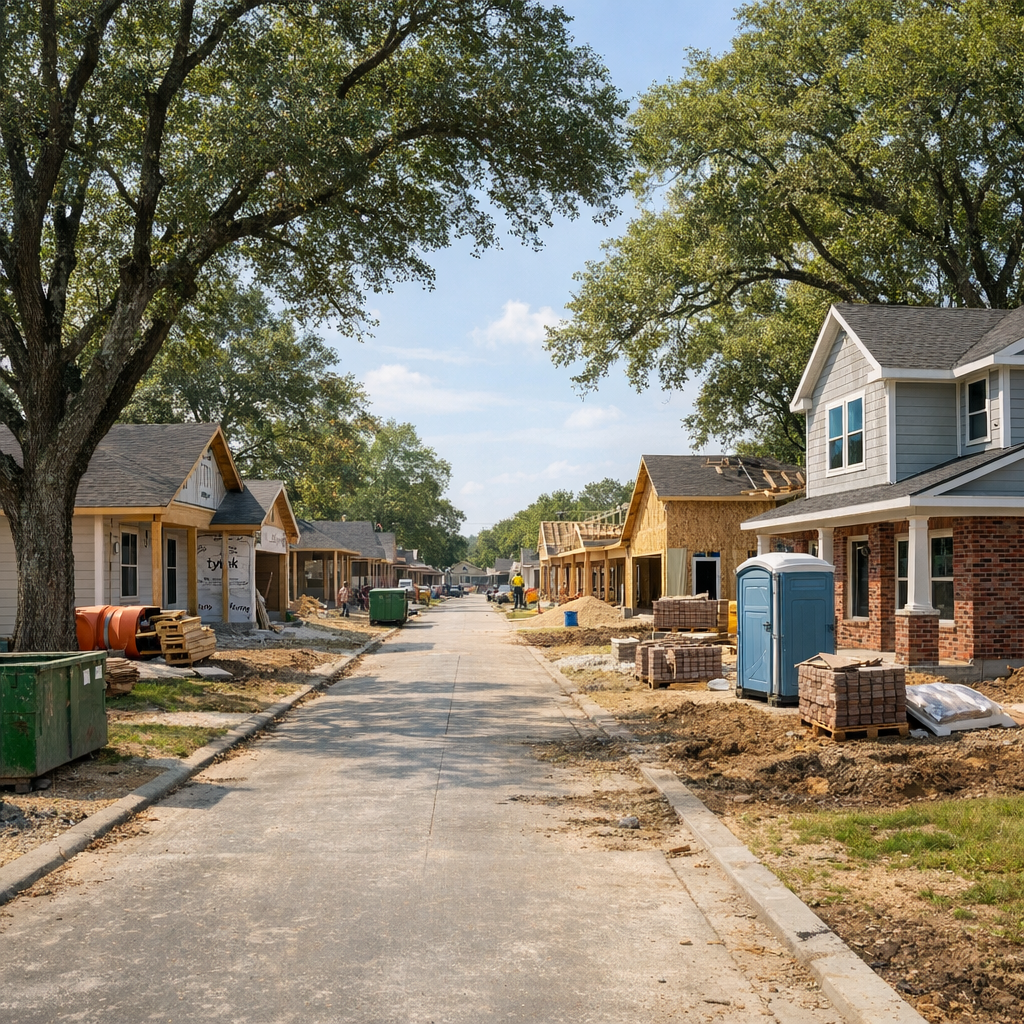
Beaumont’s housing planners and nonprofits are stepping up. Mixed-finance developments offer units targeted to families up to 80% of the area’s median income. The Crossing, Azure Pointe, Regent I and Pointe North exemplify efforts to increase supply of affordable units with fixed-below-market rents under public-private programs.
Meanwhile, organizations like Habitat for Humanity are also active locally, building affordable single-family homes through partnerships and city funding. These projects help fill crucial gaps for first-time homebuyers who may otherwise face barriers due to rising home values.
Growth, Incentives & Master Planning
Beaumont’s Comprehensive Plan aims to guide where new construction, infrastructure upgrades, and development should occur over the next 20 years. Resident input plays a big role, especially in land use, housing, transportation, and economic growth decisions.
To encourage development, Beaumont offers incentives in Neighborhood Empowerment Zones—things like fee waivers, expedited permitting, or property tax abatements for eligible projects.
What Homebuyers & Renters Should Know
- If you’re buying: While prices are up, the market isn’t overheated. Take your time reviewing neighborhoods—homes in some ZIP codes have much more favorable price per square foot than others. Be prepared to wait 1-2 months depending on property type and condition.
- If you’re renting: Define your budget and unit size early. Affordable housing programs may be available for fixed incomes and lower/mid-income households. Always check for public housing or mixed-finance options.
- Watch city and nonprofit housing developments: Projects like affordable housing and mixed-income units could shift supply and neighborhood dynamics over the next few years.
In sum, Beaumont’s housing market reflects both opportunity and challenge. Prices are rising, but not so fast they shut down every buyer. Rents are climbing, yet mixed-income and nonprofit efforts offer options. With thoughtful planning and awareness of the incentives and developments ahead, both homebuyers and renters have more tools to make informed decisions.